The Benefits of Home Automation in Modern Living

Home automation has become a significant aspect of modern living, transforming the way we interact with our homes. As technology advances, the integration of automated systems offers numerous advantages that enhance comfort, security, and efficiency. In this article, I will explore the benefits of automation in detail, providing practical insights and examples that demonstrate why adopting home automation is a wise decision for various sectors, including corporates, government entities, SMEs, and individual homeowners.
Understanding the Benefits of Automation in Home Environments
The primary benefit of home automation lies in its ability to simplify daily routines. Automated systems allow users to control lighting, heating, security, and entertainment devices remotely or through programmed schedules. This convenience saves time and effort, enabling individuals to focus on more important tasks.
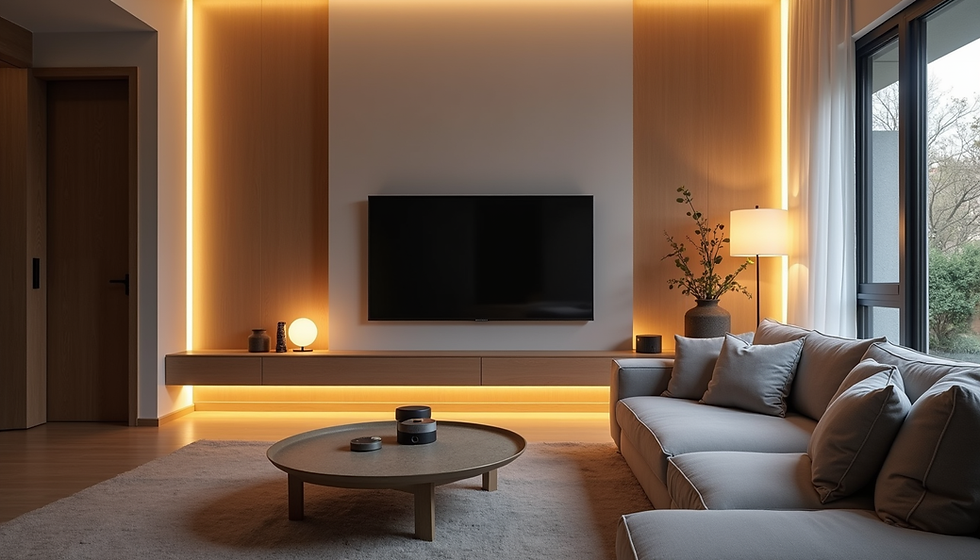
For example, automated lighting systems can adjust brightness based on the time of day or occupancy, reducing energy consumption and lowering utility bills. Similarly, smart thermostats learn user preferences and optimize heating and cooling, ensuring comfort while minimizing waste.
Moreover, automation enhances security by integrating surveillance cameras, motion sensors, and alarm systems into a unified platform. This integration allows real-time monitoring and alerts, providing peace of mind whether one is at home or away.

Practical Advantages of Home Automation for Diverse Users
Home automation offers tailored solutions that meet the needs of different users. For corporates and government entities, automated systems can improve building management by controlling access, monitoring energy use, and ensuring safety compliance. These features contribute to operational efficiency and cost savings.
Small and medium enterprises (SMEs) benefit from automation by streamlining facility management. Automated lighting, climate control, and security reduce overhead costs and create a comfortable environment for employees and customers alike.
Individual homeowners experience enhanced lifestyle quality through automation. Voice-controlled assistants, smart appliances, and automated irrigation systems simplify household management. For instance, a smart irrigation system adjusts watering schedules based on weather forecasts, conserving water and maintaining healthy gardens.
The integration of these systems also supports sustainability goals by reducing energy consumption and environmental impact. This aspect aligns with the increasing emphasis on green living and responsible resource use.
Key Features to Consider When Implementing Home Automation
When planning to implement home automation, it is essential to consider several factors to maximize benefits:
Compatibility - Ensure that devices and systems are compatible with each other and with existing infrastructure.
Scalability - Choose solutions that can be expanded or upgraded as needs evolve.
User Interface - Opt for intuitive controls that are easy to operate for all users.
Security - Prioritize systems with robust cybersecurity measures to protect against unauthorized access.
Energy Efficiency - Select devices designed to optimize energy use and reduce waste.
By focusing on these features, users can create a cohesive and effective automated environment that meets their specific requirements.

Enhancing Security and Safety Through Automation
Security is a critical concern for all property types. Home automation significantly improves safety by integrating various security components into a single, manageable system. Automated locks, surveillance cameras, and motion detectors work together to provide comprehensive protection.
For example, automated door locks can be controlled remotely, allowing authorized access without physical keys. Surveillance cameras offer live feeds accessible via smartphones, enabling constant monitoring. Motion sensors trigger alarms or lighting to deter intruders.
Additionally, automation can enhance safety by detecting hazards such as smoke, carbon monoxide, or water leaks. Early detection through automated alerts allows prompt action, potentially preventing damage or injury.
These security features are particularly valuable for government buildings and corporate offices, where safeguarding assets and personnel is paramount. Similarly, individual homeowners benefit from the reassurance that their property is protected at all times.
Future Trends and the Growing Importance of Home Automation
The future of home automation promises even greater integration and intelligence. Advances in artificial intelligence and machine learning will enable systems to anticipate user needs and adapt automatically. This evolution will further improve convenience, efficiency, and security.
Moreover, the expansion of the Internet of Things (IoT) will connect more devices, creating seamless ecosystems that enhance everyday living. For example, refrigerators could monitor food supplies and suggest shopping lists, while lighting and climate control adjust dynamically to occupancy patterns.
As these technologies develop, the demand for reliable and comprehensive electronic system integration solutions will increase. Companies like Tullu Sales Private Limited are positioned to lead this transformation by providing quality service and competitive pricing across India.
The benefits of automation extend beyond individual convenience; they represent a strategic investment in the future of living and working environments.
Embracing Automation for a Smarter Tomorrow
In summary, home automation offers numerous benefits that improve comfort, security, and efficiency. By simplifying control over various systems, it saves time and reduces costs. The adaptability of automation solutions makes them suitable for a wide range of users, from large organizations to individual homeowners.
Investing in home automation is not merely a trend but a practical step toward smarter, more sustainable living. As technology continues to evolve, embracing these innovations will become increasingly essential for maintaining competitive advantage and enhancing quality of life.
I encourage readers to explore the possibilities of home automation and consider how these systems can be integrated into their environments to achieve lasting benefits.


Comments